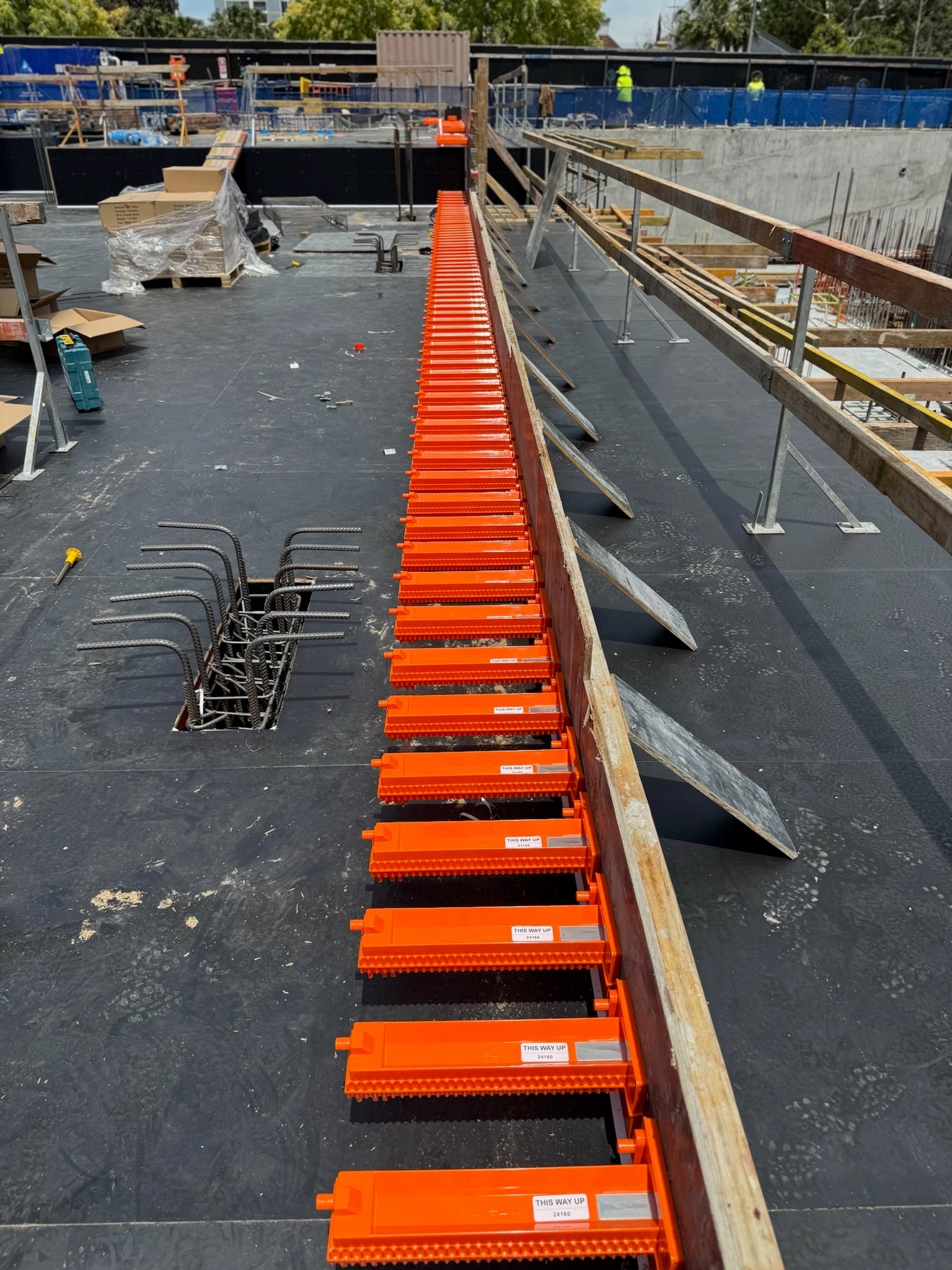
Temporary Moving Joints
Flexible joint solutions
Overview
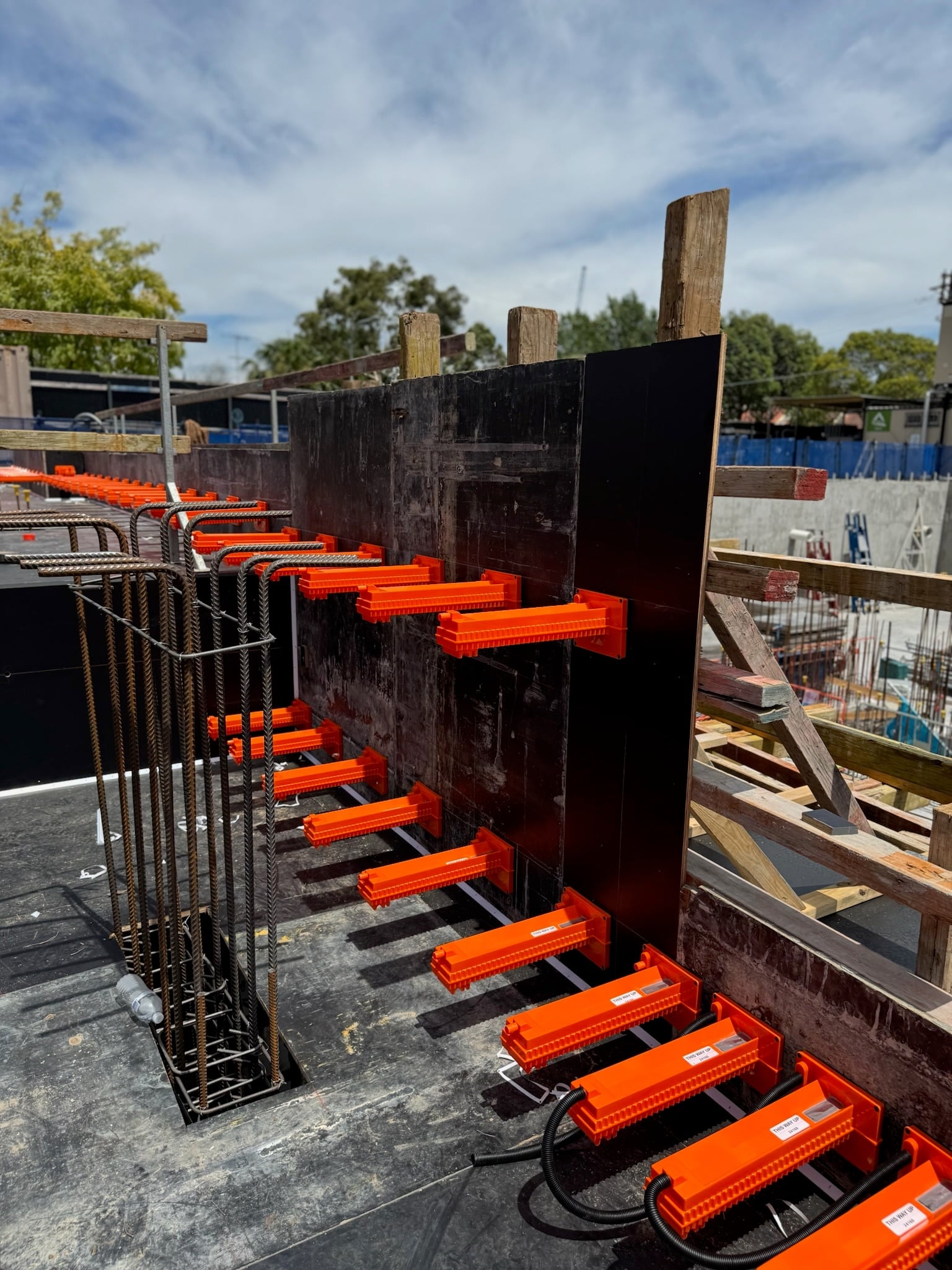
Installation and maintenance of temporary movement joints for construction phases. Allow for thermal expansion and contraction during building works.
What We Provide
- Joint installation
- Movement monitoring
- Sealant application
- Temporary bridging
Benefits
→ Prevents cracking
→ Accommodates movement
→ Protects structure
→ Construction flexibility
Need Temporary Moving Joints?
Speak to the people who do the work — no call centre, no sales layer.
Common Applications
Temporary moving joints are essential during staged construction of large commercial buildings, allowing independent movement between construction phases before permanent joints are installed.
Why Choose TRD
TRD Remedial designs bespoke temporary joint solutions based on structural engineering calculations. Our temporary joint solutions have successfully accommodated movements exceeding 50mm in major infrastructure projects.
Service Area
Servicing major construction projects across Sydney metro: CBD commercial developments, Eastern Suburbs residential expansions, Western Sydney industrial facilities.
100+
Joints Installed
50mm+
Movement Capacity
Custom
Solutions
Our Process

Design
Calculate movement requirements

Install
Place temporary joint systems

Monitor
Check performance during works
Remove
Remove or finalize joints
Final Step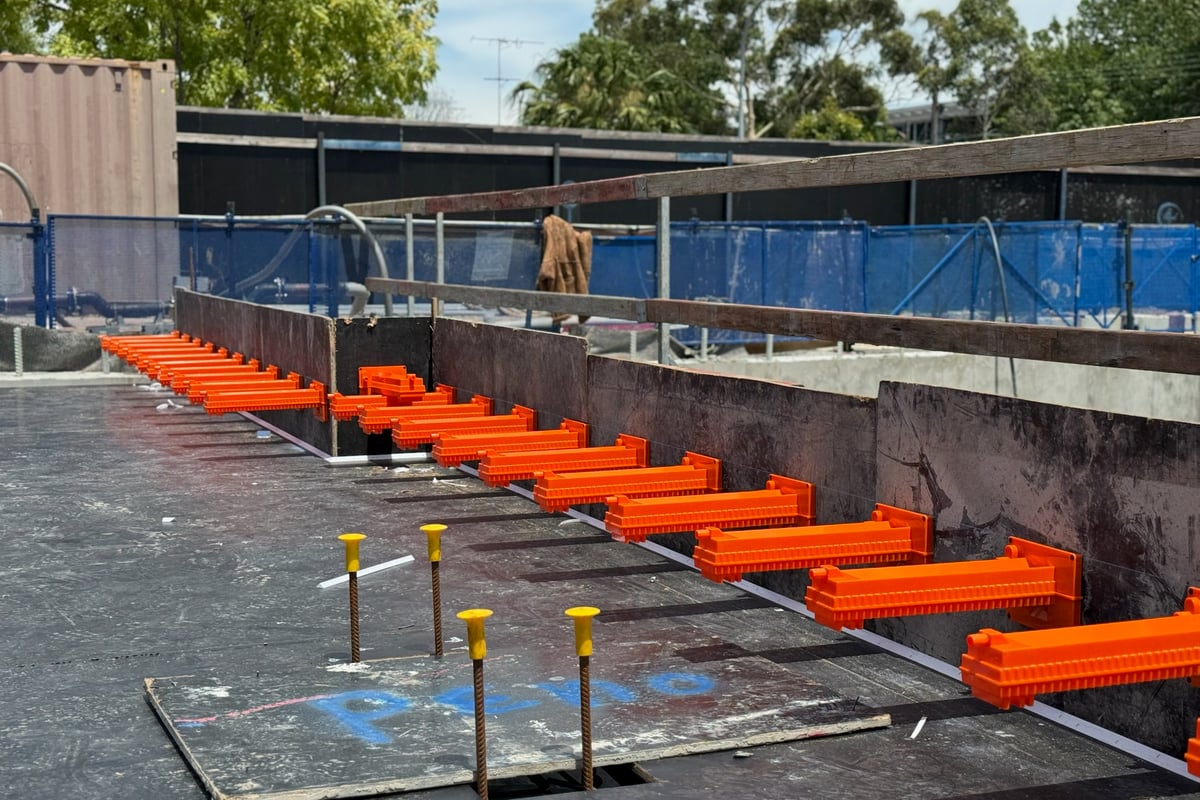
Frequently Asked Questions
Most temporary joint installations complete in 1-3 days depending on joint length and complexity.
Our engineered temporary joint systems accommodate movements up to 50-75mm depending on design.
Concrete experiences movement from thermal expansion, shrinkage, and differential settlement. Temporary joints accommodate these movements safely.
Temporary joint costs typically range $150-300 per linear meter including design, installation, and monitoring.
Need Temporary Moving Joints in Sydney?
Free consultation and on-site assessment. Speak to an engineer today.